Arc flash — the sudden release of energy from an electrical fault — is one of the most serious hazards on any electrical installation. In Australia, there is growing industry focus on arc flash risk assessment and labelling, particularly for commercial and industrial switchboards, motor control centres, and high-fault-current systems.
This guide covers what arc flash warning labels are, when they are required, and what should be on them under current Australian practice.
What Is Arc Flash?
An arc flash occurs when a fault current jumps between conductors or from a conductor to earth, creating a plasma arc that can reach temperatures over 19,000°C — hotter than the surface of the sun. The result is a combination of:
- Thermal energy — burns, ignition of clothing, superheated air
- Pressure wave (arc blast) — can throw a worker across a room
- Molten metal projectiles — from vaporised copper and aluminium
- Intense UV and IR radiation — eye and skin damage
- Acoustic shock — hearing damage
Most arc flash incidents happen during live work, switching, or when equipment fails under fault conditions. Labels on the equipment communicate the hazard level and the PPE required to work safely.
The Australian Standards Landscape
Unlike the US (where NFPA 70E makes arc flash labelling effectively mandatory), Australia doesn't have a single prescriptive standard for arc flash labels. Instead, it is a combination of:
- AS/NZS 4836 — Safe working on low-voltage electrical installations and equipment. Covers risk assessment and PPE for live work.
- WHS Act and Regulations — Duty of care obligations that require the hazard to be assessed and controlled.
- IEEE 1584 / IEC 61482 — International methods for arc flash incident energy calculation, commonly used in Australia.
- ENA National Electricity Network Safety Code (NENS 04) — Relevant for network operators.
In practice, arc flash labelling is risk-driven. If a switchboard has been assessed and has a known incident energy level, that information needs to be communicated to anyone working on it — and a label is the most effective way to do that.
When Are Arc Flash Labels Required?
Arc flash labels are strongly recommended — and in many cases required under WHS duty of care — for:
- Switchboards and MCCs with fault levels above 10kA
- Installations where live work or live inspection is regularly performed
- Equipment rated above 1000A
- Commercial and industrial installations with trained electrical workers
- Facilities where an arc flash risk assessment has been completed
What Should Be on an Arc Flash Label
A compliant arc flash label communicates the specific risk at that piece of equipment. Typical content includes:
| Information | Example |
|---|---|
| Equipment ID | MSB-1 / MCC-3 / DB-A |
| Nominal voltage | 415V 3Ph + N |
| Prospective short-circuit current | 25kA |
| Incident energy at working distance | 8.0 cal/cm² @ 600mm |
| Arc flash boundary | 1.2 metres |
| Required PPE category | Category 2 (8 cal/cm² arc-rated) |
| Date of assessment | 15 March 2026 |
| Reassessment due | 15 March 2031 |
Label Colour and Format
Arc flash labels follow the warning / danger colour conventions:
- Danger category — White text on red. Used where incident energy exceeds PPE Category 4 (>40 cal/cm²) or where live work is prohibited.
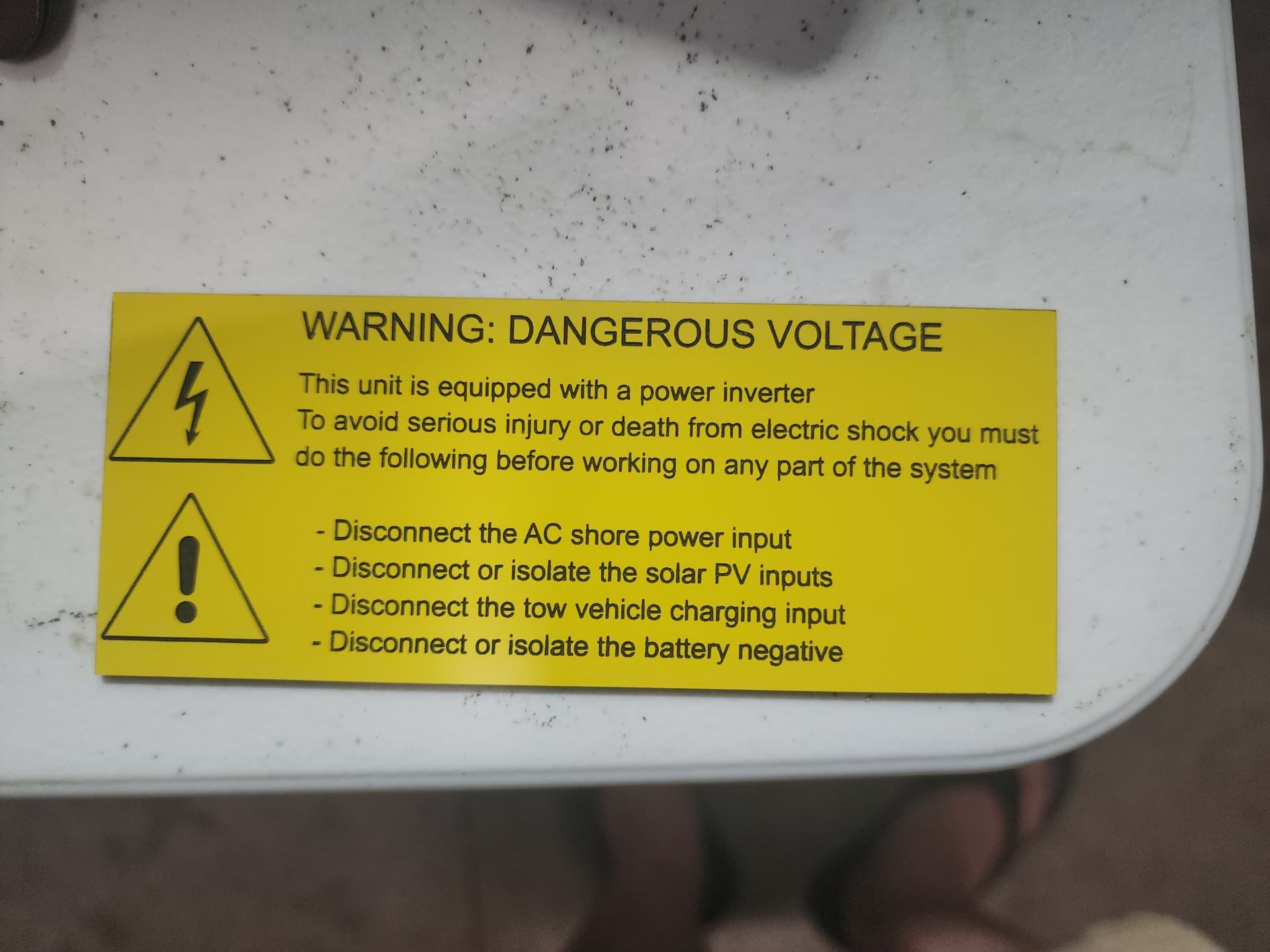
- Warning category — Black text on yellow. Used for most assessed installations where PPE levels are known.
- Label should include an arc flash hazard pictogram (lightning or flame burst symbol)
- Minimum size: large enough to read from 1 metre — typically A5 or larger
Label Placement
Arc flash labels should be visible before the enclosure is opened. That means:
- On the outside face of the switchboard door
- At eye level — between 1.5m and 1.7m off the floor
- Clear of obstructions, cable trunking, and equipment
- On every access point — if a board has front and rear access, both sides need labels
Arc Flash Assessment — Where the Numbers Come From
The data on the label comes from an arc flash study, usually conducted by an electrical engineer using IEEE 1584 or IEC 61482 methods. The study considers:
- Fault level at the equipment
- Upstream protection characteristics (the faster the device trips, the lower the incident energy)
- Equipment construction and electrode configuration
- Working distance typical for the equipment type
If an installation hasn't been formally assessed, a generic "ARC FLASH HAZARD — PPE REQUIRED" label is better than nothing — but specific assessed values are what let workers select the right PPE.
Common Mistakes
Generic Labels Without Specific Data
A label that just says "ARC FLASH HAZARD" without incident energy or PPE category is incomplete. Workers can't select appropriate PPE.
Outdated Labels
If the upstream protection has been changed, if new loads have been added, or if the supply fault level has changed, the label data may no longer reflect reality. Reassessments should happen every 5 years, or after any significant change.
Labels Behind the Door
If the label is only visible once the door is open, the worker has already committed to approaching the equipment without knowing the hazard. Labels must be on the outside.
Missing PPE Category Information
Incident energy is a number — but without translating it into a PPE category, workers have to do the maths themselves. Put the PPE category directly on the label.
Related Guides
- Switchboard Labelling Requirements in Australia: AS/NZS 3000 Explained
- Main Switch & Isolator Labels: Australian Requirements
- Switchboard Label Colours in Australia: AS/NZS Standards Explained
Ordering Arc Flash Warning Labels
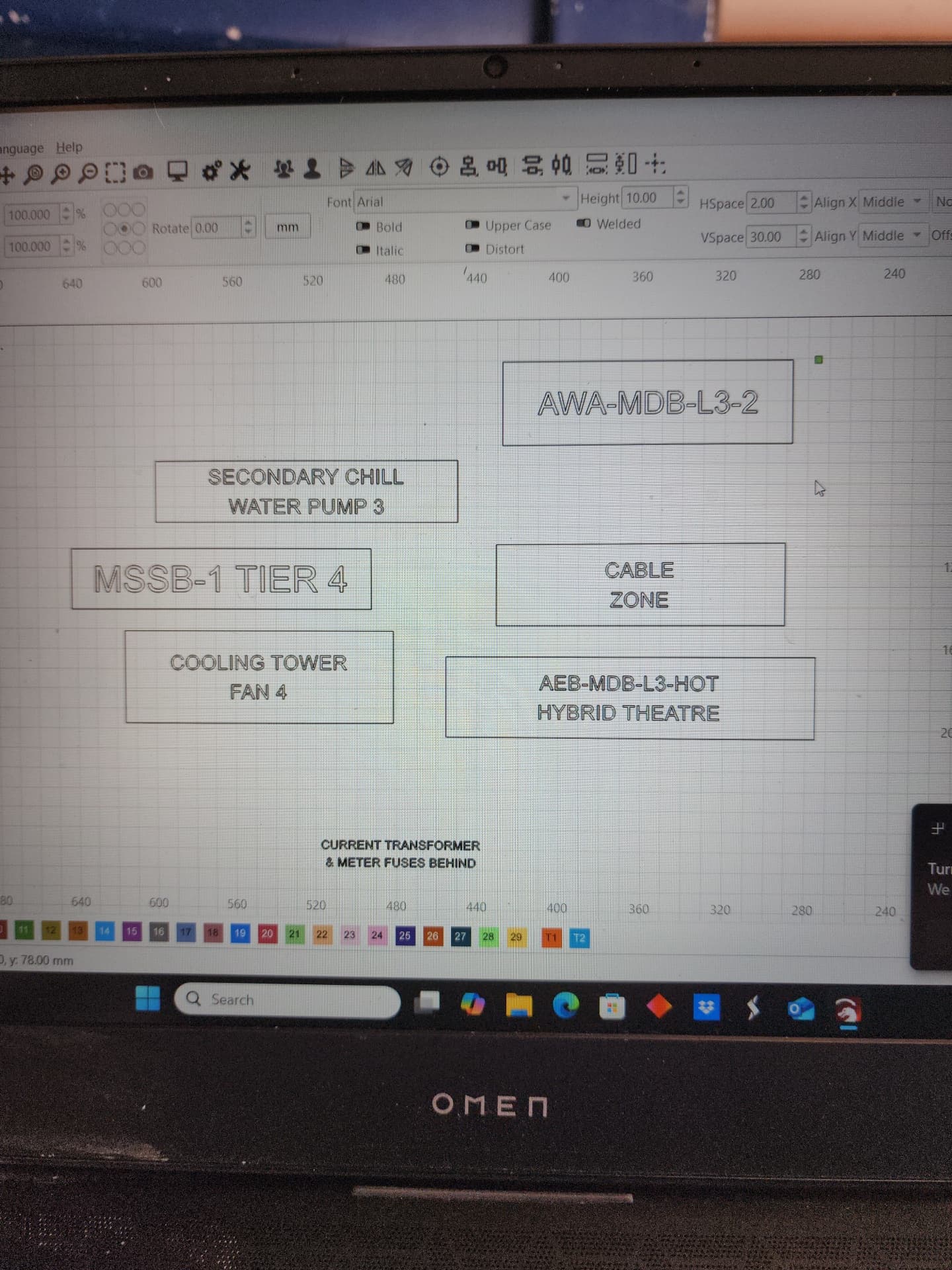
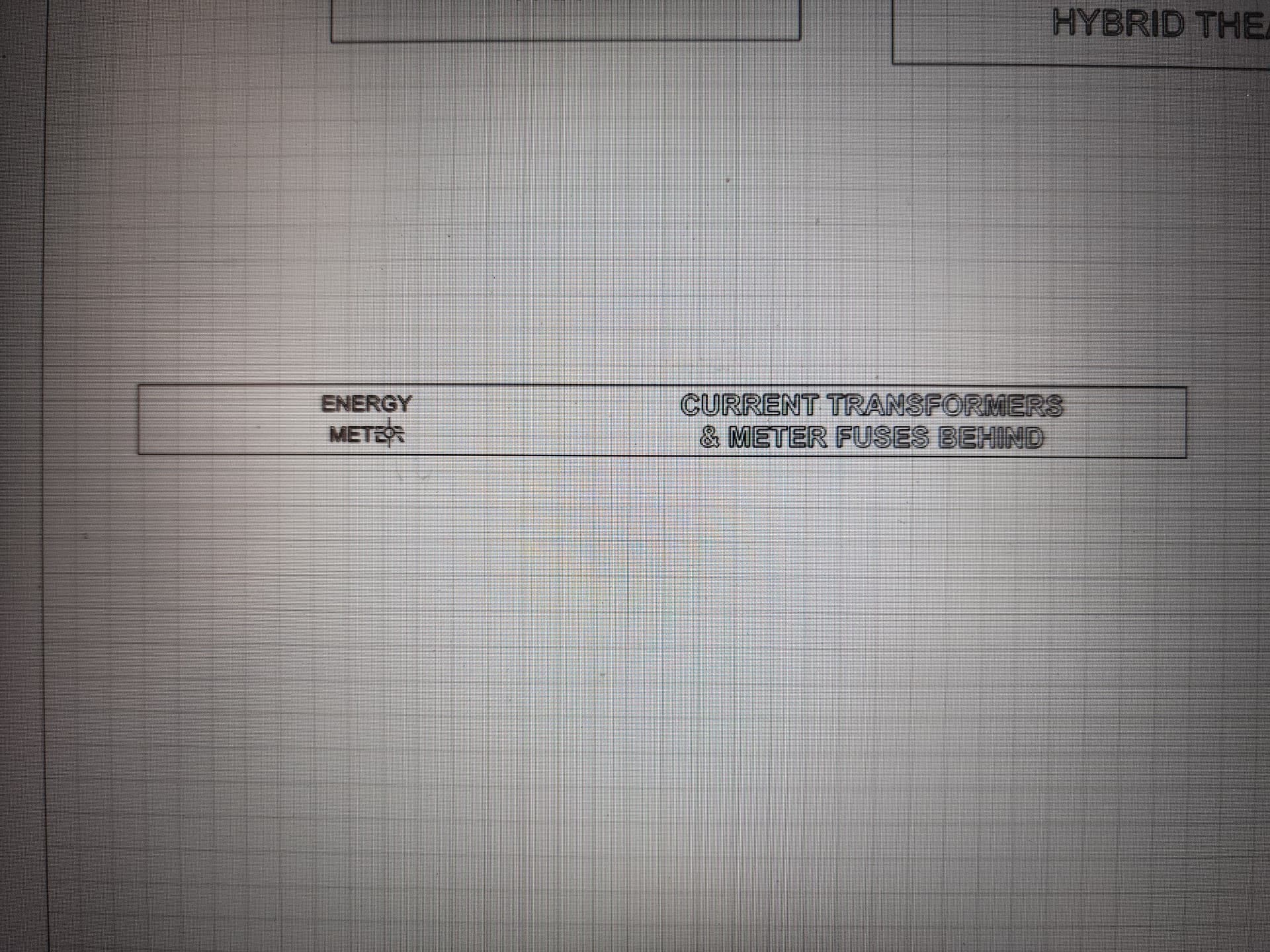
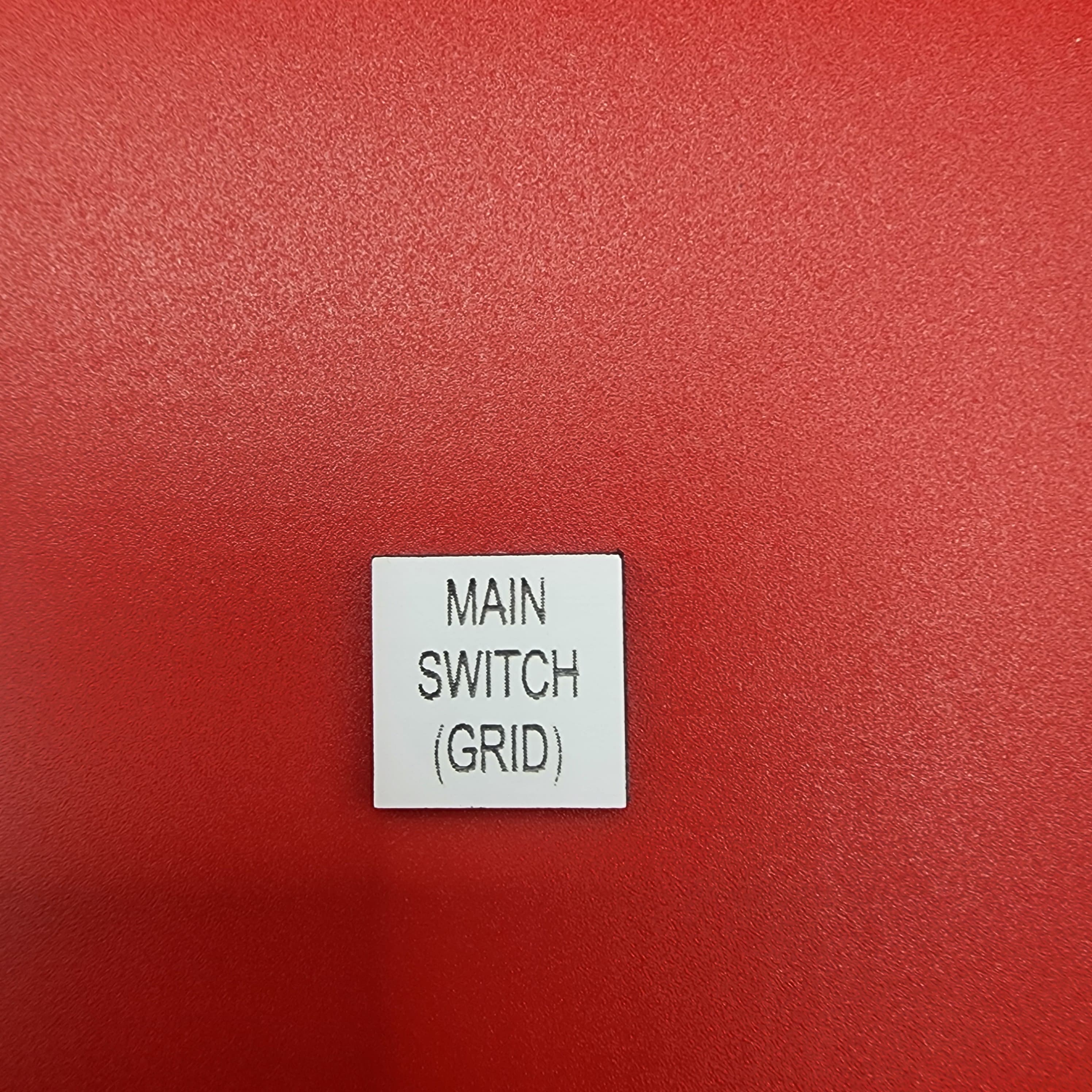
Engraved traffolyte or aluminium labels are ideal for arc flash warnings — they are durable, high-contrast, and won't fade. Our Label Designer supports large-format warning labels, and we can produce arc flash label sheets with all standard PPE category combinations. For full arc flash labelling projects, contact us for bulk pricing and custom label sheets.
Need durable arc flash labels? Engraved traffolyte labels keep calculated arc flash data legible for the life of the board — see our custom electrical labels, priced instantly online.
Build your arc flash labels online: our arc flash label configurator sets every label from your hazard study data — incident energy, arc flash boundary, PPE category, and study date — with the severity colour set automatically from the incident energy. Engraved in traffolyte, made in Australia, 1–3 day production.