

The wrong material for a 3D printed industrial sign is not a minor inconvenience — it's a failed inspection, a faded safety warning, or a label that cracks off a switchboard door in the Queensland heat. Picking the right filament matters as much as the design itself. Here is a practical breakdown of the three most common materials used for industrial signage and labels, with real-world guidance on when to use each.
Why Material Selection Matters for Industrial Signage
3D printing has opened up a world of possibilities for custom industrial signs, nameplates, and equipment labels. Unlike traditional engraving or vinyl printing, FDM (Fused Deposition Modelling) allows you to create complex three-dimensional text, raised lettering, and custom mounting features — with no tooling costs and no minimum order quantities.
But the versatility of 3D printing also means there are dozens of materials to choose from, each with different strengths, weaknesses, and price points. For industrial signage, the choice almost always comes down to three: ABS, ASA, and PETG.
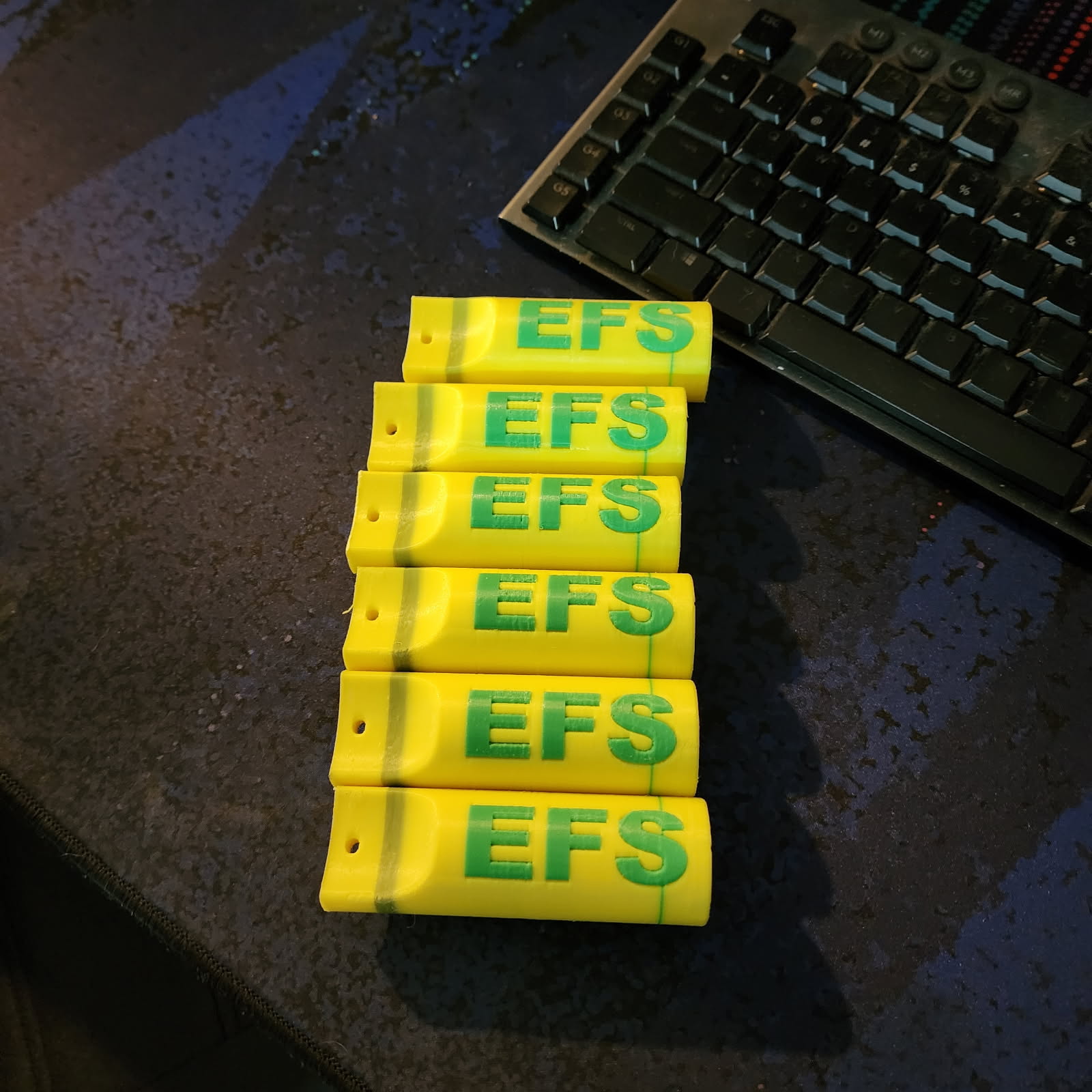
ABS: The Workhorse for Indoor Industrial Labels
ABS (Acrylonitrile Butadiene Styrene) has been the backbone of industrial plastic components for decades. It is rigid, impact-resistant, and easy to machine or sand after printing. For indoor applications — control panel labels, equipment nameplates inside a factory, or switchroom signage — ABS remains a solid choice.
Where ABS works well:
- Electrical switchboard labels in climate-controlled rooms
- Machine-side nameplates in covered factory areas
- Control panel overlays and functional mounting brackets
- Parts that need post-process sanding, priming, or painting
Where ABS falls short: Exposure to UV light causes ABS to yellow and become brittle. In direct Queensland or Northern Territory sun, an ABS sign can degrade noticeably in just a few months. If your application is outdoors or in a partially-exposed plant room, ABS is not the right call.
ASA: The Outdoor-Rated Choice for Australian Conditions
ASA (Acrylonitrile Styrene Acrylate) was engineered specifically to solve ABS's UV problem. Its molecular structure resists UV degradation significantly better than ABS, making it the preferred material for outdoor industrial signs in Australia's harsh climate.
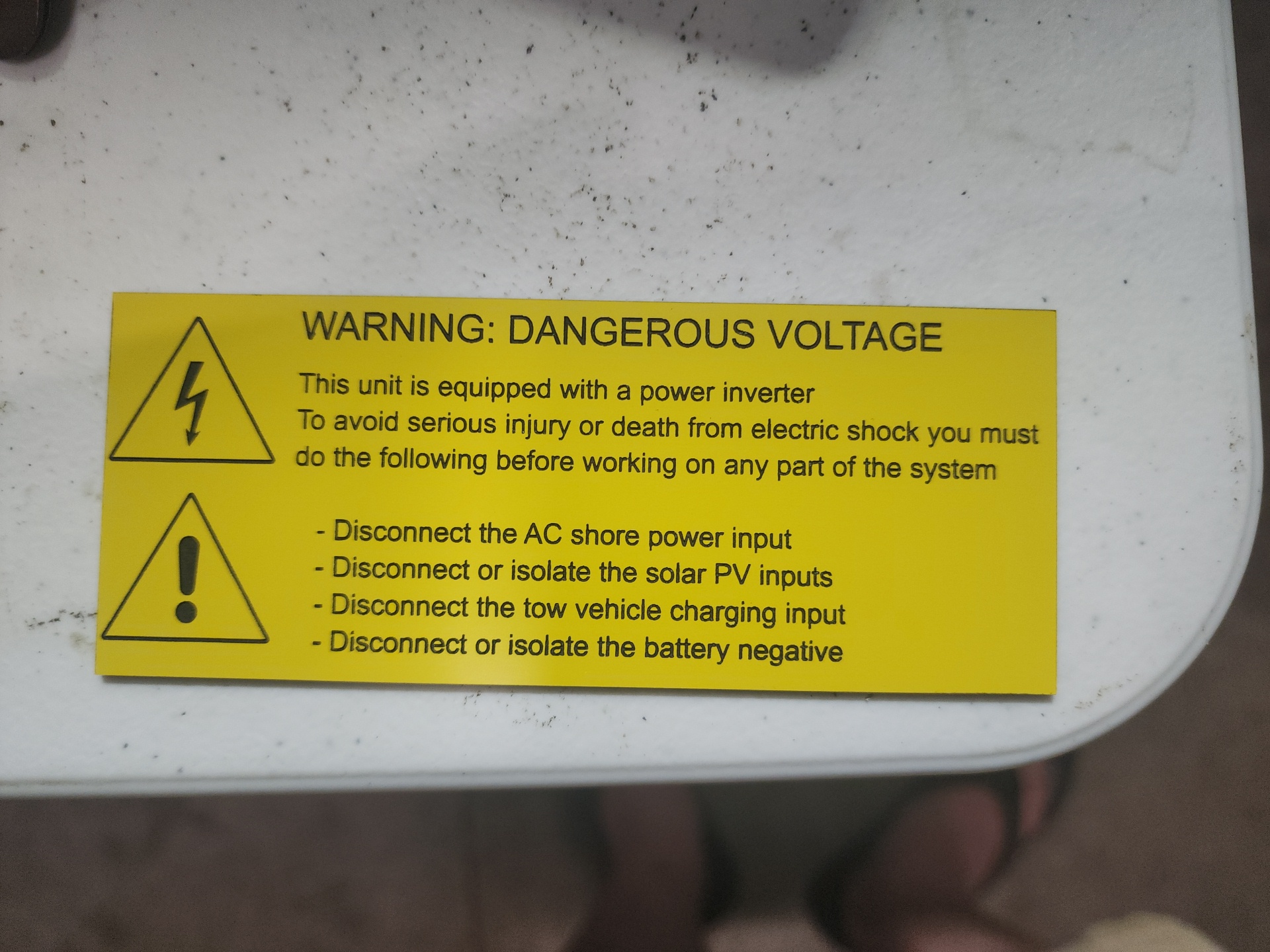
Where ASA excels:
- Outdoor equipment labels on switchgear exposed to sun and rain
- Solar array warning signs and DC isolator labels in exposed plant rooms
- Signage on water treatment and pump station infrastructure
- Any application with sustained UV and weather exposure
ASA also handles higher temperatures than standard PETG, making it suitable for signs mounted near heat-generating equipment. The trade-off is that it can be slightly more prone to warping during printing, requiring a more controlled print environment — but for a professional sign that needs to stay readable for years in Australian conditions, the extra effort is warranted.
PETG: The Balance Between Strength and Print Reliability
PETG (Polyethylene Terephthalate Glycol) hits a sweet spot between ABS toughness and ease of printing. It is chemical-resistant, flexible enough to resist cracking on impact, and significantly more reliable to print than ABS or ASA. It is the most popular material for general-purpose industrial labels that do not require extreme UV resistance.
PETG is ideal for:
- Machine safety labels in covered industrial environments
- Equipment labels exposed to mild chemicals, oils, or cleaning agents
- High-volume label runs where print consistency matters
- Applications where some flexibility helps prevent cracking on installation
Side-by-Side Comparison
| Property | ABS | ASA | PETG |
|---|---|---|---|
| UV Resistance | Poor | Excellent | Moderate |
| Impact Resistance | Good | Good | Very Good |
| Heat Tolerance | ~100°C | ~100°C | ~80°C |
| Chemical Resistance | Moderate | Moderate | Good |
| Print Reliability | Medium | Medium | High |
| Best For | Indoor industrial | Outdoor / UV-exposed | General purpose |
Real-World Use Cases from Australian Job Sites
Across the industries we serve at RBZ 3D, each material finds its natural home:
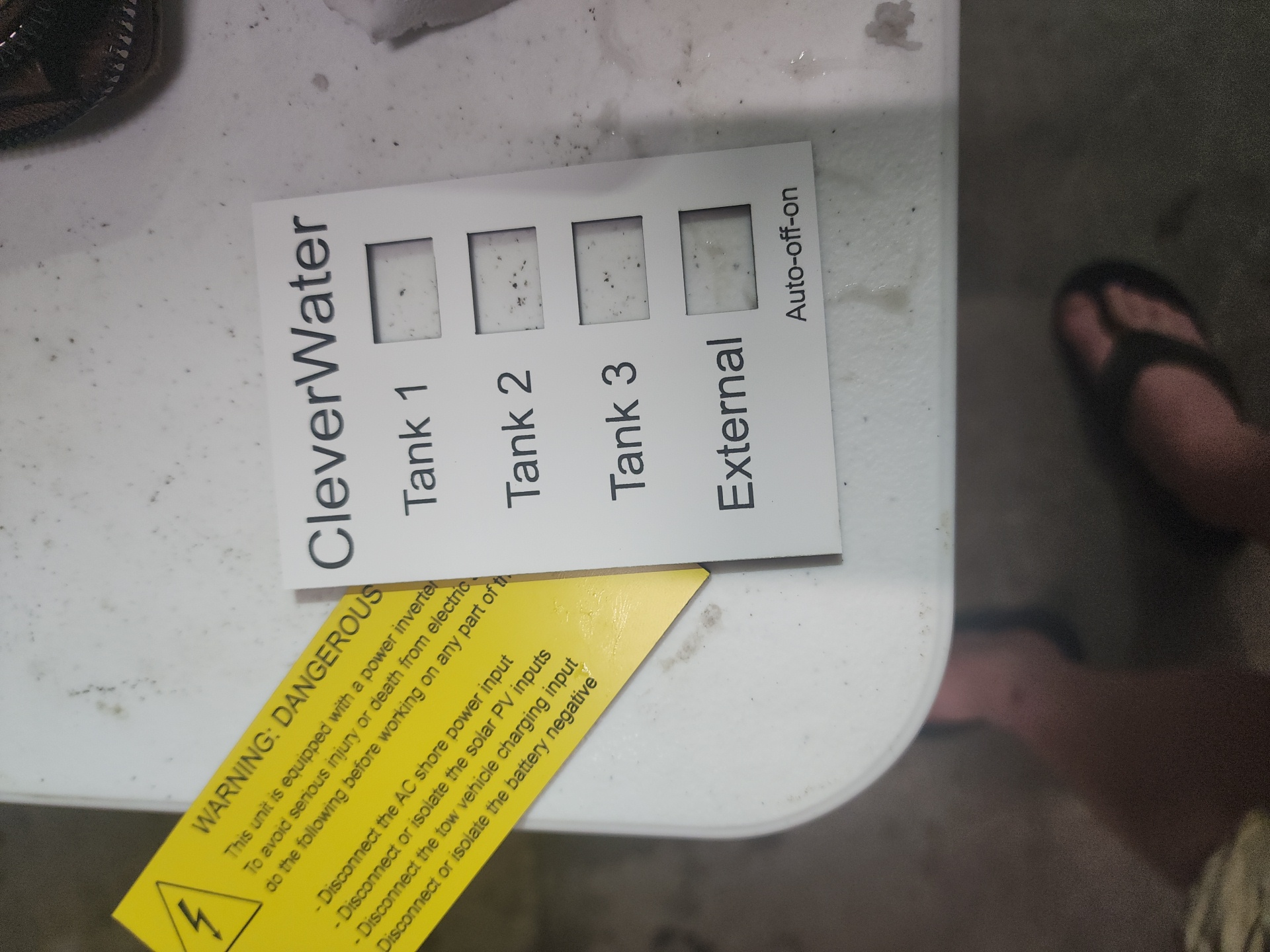
- Mining and resources: ASA signs for outdoor equipment labels on pumps, conveyors, and electrical substations that live in the sun year-round
- Electrical contractors: ABS and PETG for switchboard nameplates and circuit labels in protected enclosures, where durability and a clean finish matter
- Manufacturing: PETG machine-side labels that resist the cleaning chemicals used in food and pharmaceutical production
- Water treatment: ASA safety signs and process labels at pump stations and outdoor treatment facilities
Ready to Get a Quote on Your 3D Printed Signs?
Selecting the right material is easier when you can experiment in real time. RBZ 3D's instant 3D print quote tool lets you upload your STL file, select from available filaments including ABS, ASA, and PETG, and see a live price breakdown — no phone call, no wait, no minimum order. If you need help choosing a material for a specific environment or compliance requirement, get in touch and we can recommend the right option for your application.
Whether it is a single equipment nameplate or a full batch of site safety signs, the right material from the start saves rework, repeat site visits, and replacement costs down the track.